

How It Works
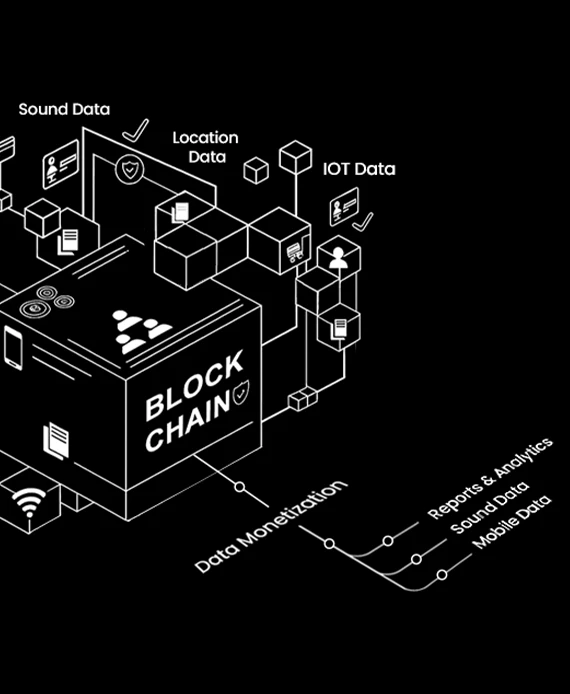
Consent Validation Layer
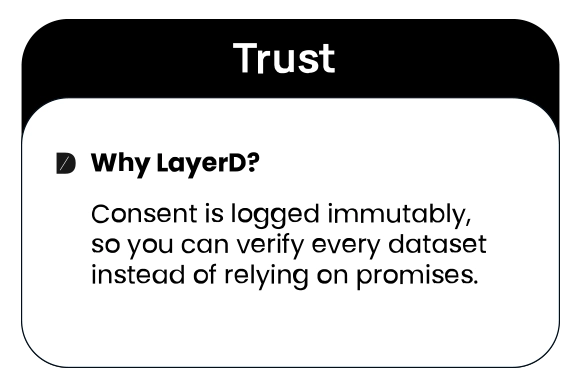
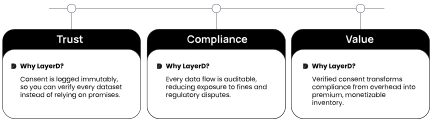
Every dataset links to an immutable Proof of Consent record showing if the user opted in, opted out, or revoked permission.
Direct Proof, Not Promises
No more blind trust. You verify consent status at the protocol level, instantly, transparently, and without intermediaries.
Seamless Pipeline Integration
LayerD connects with your existing ingestion and analytics workflows via SDKs and APIs, so you can enforce compliance without rebuilding infrastructure.
Monetize with Confidence
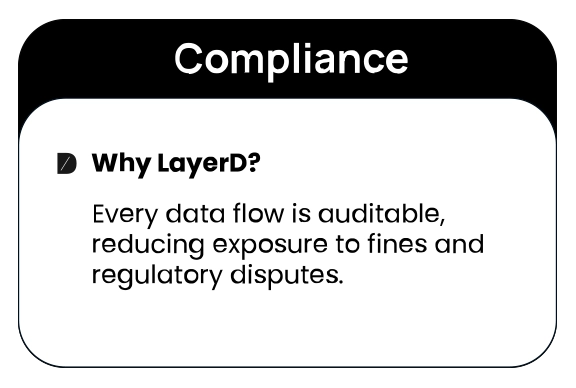
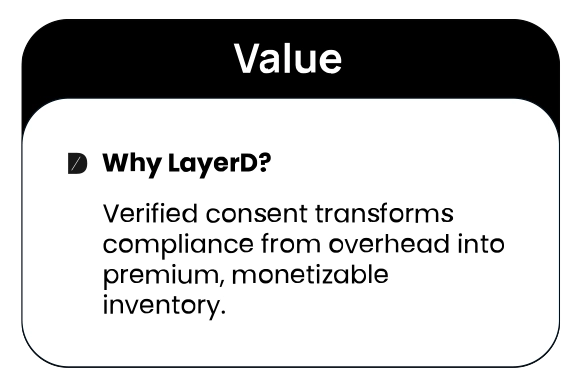
Verified-consent datasets command higher value. By consuming only compliant data, you minimize regulatory risk and maximize brand-safe monetization.

Advertisers & DSPs
Run campaigns on verifiably opted-in audiences and prove compliance to brand partners.
AI & ML Companies
Train models on tamper-proof datasets with cryptographic consent, reducing bias, liability, and compliance risk.
• Use only verified, consented data
• Lower compliance exposure
• Build trustworthy AI models
Analytics Platform
Deliver insights with full visibility into data provenance, ensuring results that stakeholders can trust.
• Ensure compliance-ready reports
• Trace data to source
• Strengthen stakeholder confidence